ENGLISH | 中文
Arabic Call Center – Hai Zhi Yue J2

Expanding Your Reach: Hai Zhi Yue J2's Expert Arabic Call Center Solutions for Global Market Connectivity

Hai Zhi Yue J2's native Arabic call center customer service and technical support solutions enable you to tap into the massive Arabic-speaking marketplace with a comprehensive Arabic call center service. Our Arabic support center is adept at handling the unique needs of customers from a wide range of Arabic-speaking countries, including Saudi Arabia, Chad, Algeria, Comoros, Eritrea, Djibouti, Egypt, Palestine, Lebanon, Iraq, Jordan, Kuwait, Mauritania, Morocco, Oman, Qatar, Somalia, Sudan, Syria, Tanzania, Bahrain, Tunisia, and others. By leveraging our Arabic call services, your business can build strong connections and provide exceptional service to consumers in these important markets.

Request A Quote
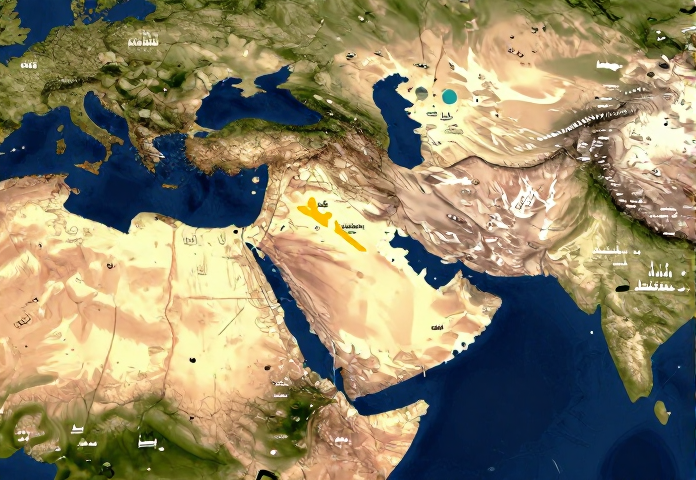
Arabic Speaking Countries Map

Arabic is also the holy language of Islam for 1.9 billion Muslims worldwide

Arabic is the official language of 26 countries, a minority language in over 30 others, and is spoken by over 433 million people, making it the 5th most spoken language in the world. Arabic is also the holy language of Islam for 1.9 billion Muslims worldwide, about 1/4 of the Earth's population, so it is a very important global language. Centrally spoken throughout the Middle East and North Africa (MENA), the Arabic language has 30 different dialects, and its own alphabet and script is written right to left. It has very little in common with English (other than a surprising amount of English word origins) and is difficult to learn, making it desperately under-represented in the Western world. To help overcome this shortcoming, the US National Security Language Initiative was introduced in 2006, to develop the skills of American students in "critical-need" foreign languages of regions with which the US has significant economic involvement, including Arabic, Chinese, Russian, Hindi, and Persian. Arabic is an official language in Egypt, Algeria, Sudan, Iraq, Morocco, Saudi Arabia, Yemen, Syria, Tunisia, Somalia, United Arab Emirates, Jordan, Eritrea, Libya, Lebanon, Palestine, Oman, Mauritania, Kuwait, Qatar, Bahrain, Tanzania, Djibouti, and Comoros, as well as a minority language throughout the Arab world.

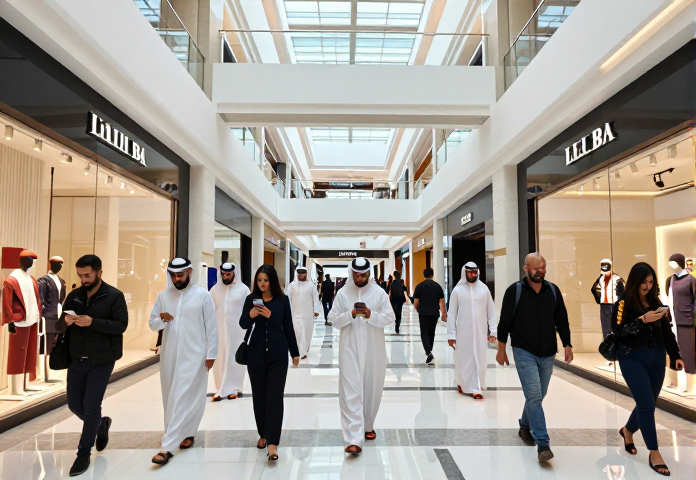
The Arab world includes important gateways to Africa

*The Arab League (formerly The League of Arab States) currently has 22 members and was formed in 1945 as a regional organization to "draw relations closer between member states and co-ordinate collaboration between them, to safeguard their independence and sovereignty, and to consider in a general way the affairs and interests of the Arab countries". The Arab League formed the Arab Federation for Digital Economy in 2018 with representatives across the MENA region to promote and develop the region's e-commerce sector, which has the potential to contribute US$3 trillion to Arab GDP growth. The Arab world includes important gateways to Africa, the fastest-growing and highest continental market potential in the world. African Arab countries include (in order of 2018 GDP) Algeria (US$200B), Morocco ($122B), Tunisia ($42B), Sudan ($34B), Somalia ($7.8B), Mauritania ($5.2B), Djibouti ($2.4B), Comoros ($750M).

Arabic Call Center Agent

What Hai Zhi Yue J2's Arabic Speaking Call Center Can Do For You

  • Content Moderation in Arabic
  • Arabic Social Media Management
  • Market Survey in Arabic
  • Amazon Seller Customer Service in Arabic
  • Ebay Seller Customer Service in Arabic
  • Aliexpress Seller Customer Service in Arabic
  • Data Entry in Arabic
  • Security Monitoring in Arabic
  • COD Confirmation Calling in Arabic
  • Customer Service in Arabic
  • Technical Support in Arabic
  • Sales, Cross-Sell and Up-Sell in Arabic
  • Back Office in Arabic
  • E-Mail Support in Arabic
  • Live Chat in Arabic
  • Phone Answering in Arabic
  • Order Management in Arabic
  • Customer Retention in Arabic

Arabic Language Consumer Market Information

The Middle East & North Africa (MENA) region is home to approximately 315 million people.
Shopping at the local Souq (Arabic for marketplace) is a cultural tradition and favorite pastime that is transitioning to online commerce.
Arabs have always been proud of their language, history, culture, and many contributions to civilization. Generous hospitality is among their most defining characteristics and cherished virtues.
A dramatic shift is taking place in MENA ecommerce as online businesses are belatedly starting to move into the well-developed Arabic digital landscape currently dominated by social media.
E-Commerce in the Arabic community has expanded rapidly in the past decade, with annual growth exceeding +30% and massive growth still anticipated in this relatively new market.
The internet penetration rate in the Middle East has surpassed 74%. The e-commerce market is projected to reach a value of 50 billion USD by 2025, with a growth rate of over 110%.
Saudi Arabia (US$9.8B, +25% ann. growth), the UAE ($7.4B, +18%), and Egypt ($6.2B, +17%) were the most lucrative B2C ecommerce markets in the MENA region in 2019.
In 2019, Saudi Arabia had the highest value market ($9.8B), Egypt had the highest number of online shoppers (45.3 million), and the UAE had the highest average spend per person ($426).
Mobile phones outnumber landlines in Egypt, and the internet & social media penetration have reached 99% of the population of UAE.
Dubai-based Souq.com, acquired by Amazon in 2019 for US$580M, is the MENA e-commerce leader. It now operates as Amazon.ae in the UAE and receives over 45 million visitors per month.
Key Festive Seasons: The prime promotional periods for e-commerce in the Middle East are "White Friday," Ramadan, and Singles' Day, during which consumer spending significantly increases.